March 31, 2026
In commercial environments, the flooring plays a pivotal role in maintaining functionality, safety, and aesthetics. Business owners are continually seeking durable, cost-effective flooring solutions that can withstand the demands of high foot traffic, heavy machinery, and daily wear. Epoxy flooring combines the structural strength required to withstand the rigors of industrial and commercial use with an aesthetic, customizable finish suitable for diverse business settings. As such, epoxy flooring has become an integral component of modern commercial infrastructure strategies, often installed and maintained through commercial epoxy services.
The Basics of Epoxy Flooring
What is Epoxy Flooring?
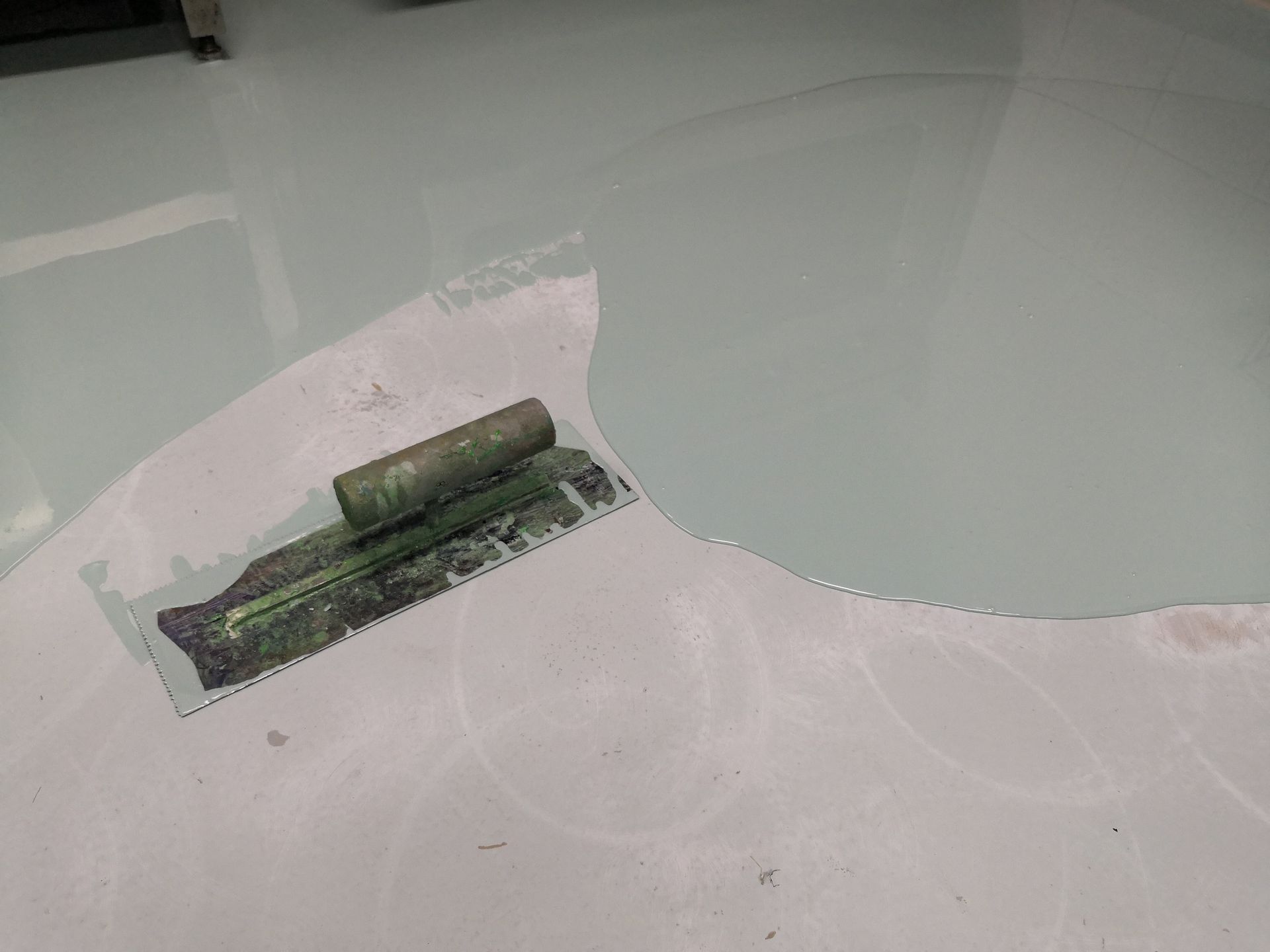
Epoxy flooring is a surface coating system commonly used in commercial and industrial environments for its exceptional durability and wear resistance. It is a mixture of resins and hardeners that, when combined, form a rigid plastic material that bonds exceptionally well to most substrates. The end product is a surface that withstands heavy loads and harsh conditions, making it ideal for a range of commercial applications. This combination allows for making epoxy floors that, according to This Old House, can be as thick as 375 mm for certain commercial applications, emphasizing strength and durability. Such thickness ensures that the flooring can endure significant pressure and heavy use over time without compromising its structural integrity, especially when installed by experienced commercial epoxy services.
Common Uses in Commercial Spaces
Epoxy flooring is versatile, making it suitable for various commercial settings, including warehouses, manufacturing facilities, and retail showrooms. In warehouses, epoxy flooring is durable enough to withstand heavy machinery and equipment traffic, reducing wear and damage. Showrooms benefit from the sleek, professional appearance epoxy provides, enhancing the overall customer experience and brand presentation. In restaurants and food-related businesses, epoxy's seamless surface is easy to clean, reducing the risk of contamination and maintaining hygiene standards. These diverse applications highlight the adaptability of epoxy flooring to different business needs and industry requirements, making commercial epoxy services essential across industries.
Comparative Analysis with Other Flooring Solutions
Compared with other flooring options such as tile, wood, or carpet, epoxy offers clear advantages in cost, durability, and maintenance. While wood may offer a unique aesthetic appeal, it is prone to dents and requires regular maintenance to preserve its appearance. In contrast, epoxy flooring is far more resistant to impact and chemical exposure, significantly extending its service life while minimizing maintenance requirements. Tile flooring can also be sturdy, but it is susceptible to chipping and grout maintenance issues that epoxy flooring does not encounter. Given these comparisons, epoxy flooring is a robust, cost-effective option for businesses seeking longevity and ease of maintenance through reliable commercial epoxy services.
Durability and Longevity Features
Impact Resistance
One of the critical features of epoxy flooring is its outstanding ability to absorb and withstand physical impacts. This makes it an ideal choice for high-traffic areas where the flooring is likely to encounter heavy footfall or equipment movement. Businesses benefit from lower repair costs and downtime, as the robust surface can withstand continuous wear without significant degradation, a key benefit of professionally applied commercial epoxy services. The flooring's thickness, which can be substantial depending on the specific commercial application, further enhances its ability to withstand such pressures. Consequently, epoxy flooring helps businesses maintain smooth operations without regular interruptions for flooring repairs or replacements.
Chemical Resistance
Epoxy flooring is also prized for its excellent chemical resistance, which is especially beneficial in industrial and commercial settings where various chemicals are present. Unlike other flooring materials that can degrade or stain when exposed to harsh substances, epoxy resists acids, alkalis, and solvents without compromising structural integrity. This resistance reduces the risk of accidental spills causing permanent damage, ensuring that the floor remains in good condition over prolonged use. For businesses in the manufacturing sector, this characteristic is particularly valuable, as it minimizes safety hazards and long-term repair responsibilities.
Moisture and Stain Resistance
In addition to chemical resilience, epoxy floors effectively handle moisture and stains due to their non-porous nature. This characteristic helps prevent moisture from seeping through the floor and causing potential subflooring issues, such as mold or mildew. The non-absorbent surface makes spills and stains easier to clean, which is crucial for maintaining the aesthetics and hygiene of commercial spaces. Businesses can therefore rely on epoxy flooring to sustain high standards of cleanliness and presentation. Overall, this property contributes to a stable, safe work environment, which is particularly important in industries such as food service or healthcare.
Safety Enhancements
Slip-Resistance Options
Safety in commercial spaces is paramount, and epoxy flooring enhances it with slip-resistant properties that significantly reduce accidents. Various grip-enhancing additives can be incorporated into the epoxy mixture to provide traction even in wet or oily conditions. This feature is essential in environments such as kitchens, workshops, and healthcare facilities, where spills are common, and maintaining a safe footing is critical. Furthermore, by choosing a textured finish, businesses ensure their work environment complies with safety regulations and reduces the risk of slips and falls with the help of commercial epoxy services.
Fire Resistance
Another significant safety aspect of epoxy flooring is its fire-resistant properties, which help reduce fire hazards in commercial spaces. In addition to being a durable and reliable flooring solution, epoxy coatings can slow the spread of flames, offering valuable time during unforeseen emergencies. Thus, they align with fire safety protocols without compromising on performance or aesthetics. Commercial establishments with potential fire risks, such as certain manufacturing industries, can particularly benefit from these properties.
Improved Visibility
Enhanced visibility is another benefit epoxy flooring provides in commercial settings, playing a critical role in workplace safety. Reflective and high-gloss options increase ambient light in a facility, improving employee productivity and security. Well-lit workspaces reduce the chance of accidents, enabling employees to navigate their environment safely and efficiently. Therefore, epoxy flooring can help promote a proactive safety culture within a business and mitigate risks associated with poor visibility.
Cost-Effectiveness for Businesses
Initial Investment vs. Long-term Savings
While the upfront cost of installing epoxy flooring may seem discouraging, the long-term financial benefits far outweigh the investment. Epoxy flooring’s durability reduces repair costs and extends its lifespan, leading to minimal replacement needs and significant savings. By making strategic investments early, businesses avoid frequent, costly interventions that can disrupt commercial operations. Additionally, epoxy’s minimal maintenance requirements result in low ongoing expenses, making it an economical choice.
Reduced Repair and Replacement Costs
One significant advantage of epoxy flooring is its ability to reduce ongoing repair and replacement costs significantly. Its exceptional durability gives business owners confidence that their flooring investment will withstand years of rigorous daily use. Unlike traditional flooring solutions that deteriorate quickly in commercial environments, epoxy floors maintain their integrity with minimal maintenance. Consequently, businesses benefit from the cost savings of avoiding frequent replacements of damaged or worn floors. As a result, epoxy offers both functional longevity and economic value for companies looking to maximize their flooring budget.
Energy Efficiency
Beyond its durability, epoxy flooring can improve energy efficiency in commercial spaces. Lighter-colored epoxy can reflect light, increasing illumination without additional electrical costs. This efficient use of natural and artificial light can help to reduce energy consumption and lower utility bills. Furthermore, improved lighting can boost employee morale and productivity while ensuring workspace safety and security. As businesses continue to seek ways to lower their carbon footprint and operating costs, the energy-efficient properties of epoxy flooring provide a compelling case for its adoption.
In today’s demanding commercial environments, epoxy flooring stands out as a practical, high-performance solution that balances durability, safety, and long-term value, especially when implemented through trusted commercial epoxy services. Its ability to withstand heavy use, resist chemicals and moisture, and enhance workplace safety makes it a reliable choice across a wide range of industries. When paired with its low maintenance requirements and energy-saving benefits, epoxy flooring becomes more than just a surface solution—it is a strategic investment in operational efficiency and cost control. For businesses looking to optimize both performance and presentation, epoxy flooring continues to deliver measurable, long-term advantages. Transform your commercial space with durable, low-maintenance solutions from Superior Epoxy Coatings and Floors today.